Showing posts with label vulture. Show all posts

Red-headed vulture

   ›      ›   Red-headed vulture - Sarcogyps calvus.

The red-headed vulture (Sarcogyps calvus) belongs to the family Accipitridae.

These red-headed vulture species are distributed in Southeast Asia and Indian Subcontinent.

Taxonomy of Red-headed vulture

  • Scientific Name: Sarcogyps calvus
  • Common Name: Red-headed vulture
  • French: Vautour royal; German: Kahlkopfgeier; Spanish: Buitre cabecirrojo;
  • Other names: Vultur calvus Scopoli, 1786; Asian king vulture; Indian black vulture; Pondicherry vulture;
  • Family: Accipitridae › Accipitriformes › Aves › Chordata › Animalia

    Species author: (Scopoli, 1786)
Sarcogyps calvus was earlier included in genus Vultur.

Description

The red-headed vulture is a large bird, measuring 75 to 85 cm in length and weighing 3,500 to 5,500 grams. The wingspan is 200 to 230 cm. It is mainly black except for bare reddish head, neck and legs. It has a pale grey band at the base of the flight feathers. The male bird has a paler, whitish iris, while the female has dark brown iris.

Indian birds - Image of Red-headed vulture - Sarcogyps calvus

Habitat

The red-headed vulture prefers open country usually away from human habitation, well-wooded hills and dry deciduous forest with rivers.

Feeding habits

The red-headed vulture species feed on carcasses of medium sized and large mammals. They may occasionally snatch feed from other birds. They soar high on the thermals to locate dead animals.

Breeding

The breeding season of these bird species is between December and September. Nesting has been recorded in tall trees.

Distribution

These red headed vulture species are distributed in India, Nepal, Bangladesh and Bhutan in Indian Subcontinent. Small populations are present in Myanmar, Laos and Cambodia. It was previously present in South China, Thailand, Vietnam, Malaysia and Singapore.

Movement Patterns

These bird species are mainly sedentary. The population in the Nepal is found to perform seasonal altitudinal movements.

Status and conservation

The red-headed vulture global population is estimated to number 3,500 to 15,000 individual birds. The Indian vulture population declined by 90% mainly due to toxicity from diclofenac present in carcasses of cattle. The drastic reduction in the wild ungulate population, reduced availability of feed and increased human activity in the habitat are the threats for their survival.

The IUCN (International Union for Conservation of Nature) has categorized and evaluated these bird species and has listed them as "Critically Endangered".

Biological classification of Sarcogyps calvus
Kingdom:Animalia
Phylum:Chordata
Class:Aves
Order:Accipitriformes
Family:Accipitridae
Subfamily:-
Genus:Sarcogyps
Species:S. calvus
Binomial name:Sarcogyps calvus
Distribution:Southeast Asia and Indian Subcontinent;
Feeding habits:mainly carrion, also snatches food from other birds;
IUCN status listing:
Critically Endangered

Popular posts in Birds of India

Image source: https://en.wikipedia.org/wiki/File:Red-headed_Vulture_Adult_Male_Bandhavgrah_National_Park_16042013.jpg
Image Author: Dibyendu Ash | Image License: CC BY-SA 3.0
Current topic in Birds of India: Red-headed vulture - Sarcogyps calvus.
Contact State Tourism or travel agents for bird watching and wildlife tours.

Cinereous vulture

   ›      ›   Cinereous vulture - Aegypius monachus.

The cinereous vulture (Aegypius monachus) belongs to the family Accipitridae. These cinereous vulture species are distributed in Europe, Asia and Indian Subcontinent.

Taxonomy of Cinereous vulture

  • Scientific Name: Aegypius monachus
  • Common Name: Cinereous vulture
  • French: Vautour moine; German: Mönchsgeier; Spanish: Buitre negro;
  • Other names: Vultur Monachus Linnaeus, 1766; black vulture; monk vulture; Eurasian black vulture;
  • Family: Accipitridae › Accipitriformes › Aves › Chordata › Animalia
  • Species author: (Linnaeus, 1766)
Aegypius monachus was earlier included in genus vultur.

Indian birds - Image of Cinereous vulture - Aegypius monachus

Description

The cinereous vulture is a large bird, measuring 100 to 110 cm in length and weighing 7,000 to 12,500 grams. The wingspan is 250 to 300 cm. The whole body is dark brown, except the head covered with brown down. The bare skin in the head and neck is bluish grey. The adult has brown eyes and a purplish cere. The bill is massive and is blue-gray in color. The legs are pale blue-gray. Their sounds and calls include grunts, croaks and hisses when feeding at carcasses.

Habitat

The cinereous vultures inhabit hilly, mountainous areas, dry semi-open habitats such as meadows at high altitudes, steppe, grasslands and open woodlands.

Feeding habits

These cinereous vulture species feed on carcasses of medium sized and large mammals. They may occasionally takes live prey. They soar high on the thermals to locate dead animals.

Breeding

These cinereous vulture species breed during February and March. They breed in loose colonies in trees and cliff ledges. The nest is built with sticks and twigs. The egg clutch typically only a single egg. Both the parents take part in the rearing of the chick.

Distribution

The cinereous vulture is distributed in France, Spain, Bulgaria, Greece, Turkey, Armenia, Azerbaijan, Georgia, Ukraine, Russia, Uzbekistan, Kazakhstan, Tajikistan, Turkmenistan, Kyrgyzstan, Saudi Arabia, Middle East, Iran, Afghanistan, north India, northern Pakistan, Nepal, Bhutan, Myanmar, Laos, Mongolia, China, North Korea and South Korea.

Movement Patterns

The adult cinereous vulture populations in the Europe are mostly sedentary. The populations in temperate Asia migrate southwards for wintering.

Status and conservation

The cinereous vulture global population is estimated to number 21,000 to 30,000 individual birds. There is slight increase in European population. There is decline in the Asian population. Shooting, poisoning, use of veterinary diclofenac (anti-inflammatory drug), decrease in food availability and habitat loss are the main threats in the conservation of these species.

The IUCN (International Union for Conservation of Nature) has categorized and evaluated these vulture species and has listed them as "Near Threatened".

Biological classification of Aegypius monachus
Kingdom:Animalia
Phylum:Chordata
Class:Aves
Order:Accipitriformes
Family:Accipitridae
Subfamily:-
Genus:Aegypius
Species:A. monachus
Binomial name:Aegypius monachus
Distribution:Europe, Asia and Indian Subcontinent;
Feeding habits:mainly carrion, rarely feeds on live prey;
IUCN status listing:
Near Threatened

Popular posts in Birds of India

Image source: commons.wikimedia.org/wiki/File:Sitting_griffon_vulture.jpg
Image Author: Juan Lacruz | Image License: CC BY-SA 3.0
Current topic in Birds of India: Cinereous vulture - Aegypius monachus.
Contact State Tourism or travel agents for bird watching and wildlife tours.

Griffon vulture

   ›      ›   Griffon vulture - Gyps fulvus.

The griffon vulture (Gyps fulvus) belongs to the family Accipitridae. These griffon vulture species are distributed in Europe, central Asia, Africa and Indian Subcontinent.

Taxonomy of Griffon vulture

  • Scientific Name: Gyps fulvus
  • Common Name: Griffon vulture
  • French: Vautour fauve; German: Gänsegeier; Spanish: Buitre leonado;
  • Other names: Vultur fulvus Hablizl, 1783; Eurasian griffon;
  • Family: Accipitridae › Accipitriformes › Aves › Chordata › Animalia
  • Species author: (Hablizl, 1783)
Gyps fulvus was earlier included in genus vultur. It is closely related to G. himalayensis and G. coprotheres. The two recognized subspecies are: G. f. fulvus (Hablizl, 1783) and G. f. fulvescens A. O. Hume, 1869.

Indian birds - Image of Griffon vulture - Gyps fulvus

Description

The griffon vulture is a large bird, measuring 95 to 110 cm in length and weighing 6,000 to 11,000 grams. The wingspan is 240 to 280 cm. Its head and neck are white. The wings are broad and the tail is short. The buff body and wing coverts contrast with the dark flight feathers. They are noisy while feeding, making various grunting and hissing sounds and calls.

Habitat

The griffon vultures are adapted to wide range of habitats including open country, mountains, plateaux, steppe and semi deserts.

Feeding habits

These vulture species feed on carcasses, typically feeding on muscles and viscera of medium sized and large mammals. They soar high on the thermals to locate dead animals.

Breeding

These vulture species breed during December and March. They nest on rocky outcrop, with sheltered ledges or small caves and cliffs. The clutch is found to have one egg. Both the parents take part in rearing the chick.

Distribution

The griffon vulture subspecies G. f. fulvus is distributed in northwest Africa, Europe, Mediterranean region, Turkey, Middle East, Arabia, Iran and Kazakhstan. The subspecies G. f. fulvescens is distributed in Afghanistan, Pakistan and north and northeast India.

Movement Patterns

These vulture species are mostly sedentary. The juveniles and immature vultures may migrate far and make long-distance movements.

Status and conservation

The griffon vulture global range is large and the population is least vulnerable. Threats to conservation of these species include habitat degradation, human activities, wind farms, reduced food availability and a shortage of suitable nesting sites.

The IUCN (International Union for Conservation of Nature) has categorized and evaluated these vulture species and has listed them as "Least Concern".

Biological classification of Gyps fulvus
Kingdom:Animalia
Phylum:Chordata
Class:Aves
Order:Accipitriformes
Family:Accipitridae
Subfamily:-
Genus:Gyps
Species:G. fulvus
Binomial name:Gyps fulvus
Distribution:Europe, central Asia, Africa and Indian Subcontinent;
Feeding habits:mainly carrion;
IUCN status listing:
Least Concern

Popular posts in Birds of India

Image source: commons.wikimedia.org/wiki/File:Sitting_griffon_vulture.jpg
Image Author: Вых Пыхманн | Image License: CC BY-SA 3.0
Current topic in Birds of India: Griffon vulture - Gyps fulvus.
Contact State Tourism or travel agents for bird watching and wildlife tours.

Himalayan vulture

   ›      ›   Himalayan vulture - Gyps himalayensis.

The Himalayan vulture (Gyps himalayensis) belongs to the family Accipitridae.

These Himalayan vulture species are distributed in India, Nepal, Pakistan, Bhutan and China.

Taxonomy of Himalayan vulture

  • Scientific Name: Gyps himalayensis
  • Common Name: Himalayan vulture
  • French: Vautour de l’Himalaya; German: Schneegeier; Spanish: Buitre del Himalaya;
  • Other names: Himalayan Griffon;
  • Family: Accipitridae › Accipitriformes › Aves › Chordata › Animalia
  • Species author: Hume, 1869
Gyps himalayensis is closely related to European griffon vulture (G. fulvus).

Description

The Himalayan vulture is a large bird, measuring 100 to 110 cm in length and weighing 8,000 to 12,000 grams. The wingspan is 260 to 290 cm. Adult birds have long and pale brown ruff with white streaks. The head is covered in down which is yellowish in adults but whitish in immature birds. The underside and under-wing coverts vary, from being pale brown to almost white in some birds. The legs are greenish-grey to white. The facial skin is pale whitish blue. They are noisy while feeding making various grunting and hissing sounds and calls.

Indian birds - Image of Himalayan vulture - Gyps himalayensis

Habitat

These vulture species inhabit mountains, high-elevation steppes and plateaus.

Feeding habits

These vulture species feed on carcasses, typically avoiding offal and eating only flesh. They have been observed feeding on pine needles, an unexplained behaviour.

Breeding

The Himalayan vulture breeding season is from January to March. The nest is built on a cliff. The clutch usually has one egg. Both the parents participate in rearing the chick.

Distribution

These vulture species are distributed in Himalayan Pakistan, India, Tibet, Nepal and Bhutan. It also occurs in Central and western China, Kazakhstan, Uzbekistan, Kyrgyzstan, Tajikistan, Afghanistan and Mongolia. This vulture species is a rare winter visitor to Thailand, Cambodia and Bangladesh.

Movement Patterns

These vulture species are mostly sedentary. They may move to lower altitudes in winter. The juvenile birds may disperse south during winter.

Status and conservation

The Himalayan vulture global population is now estimated to be 100,000 to 500,000 individual birds. There is a steady decline in the population of these bird species and they are considered 'Near Threatened'. Kidney failure in vultures caused by feeding on carcasses of animals treated with diclofenac (a nonsteroidal anti-inflammatory drug) was the major cause of decline in populations. Threats to conservation of these species include habitat degradation, human activities, reduced food availability and a shortage of suitable nesting sites.

The IUCN (International Union for Conservation of Nature) has categorized and evaluated these vulture species and has listed them as "Near Threatened".

Biological classification of Gyps himalayensis
Kingdom:Animalia
Phylum:Chordata
Class:Aves
Order:Accipitriformes
Family:Accipitridae
Subfamily:-
Genus:Gyps
Species:G. himalayensis
Binomial name:Gyps himalayensis
Distribution:Himalayan India, Pakistan, Nepal, Tibet, Bhutan and Central China;
Feeding habits:mainly carrion;
IUCN status listing:
Near Threatened

Popular posts in Birds of India

Image source: http://commons.wikimedia.org/wiki/File:Gyps_himalayensis,_Sup_him%C3%A1lajsk%C3%BD.jpg
Image Author: MAKY.OREL | Image License: CC BY-SA 3.0
Current topic in Birds of India: Himalayan vulture - Gyps himalayensis.
Contact State Tourism or travel agents for bird watching and wildlife tours.

Slender-billed vulture

   ›      ›   Slender-billed vulture - Gyps tenuirostris.

The slender-billed vulture (Gyps tenuirostris) belongs to the family Accipitridae. These slender-billed vulture species are distributed in India, Nepal, Myanmar, Laos and Cambodia.

Taxonomy of Slender-billed vulture

  • Scientific Name: Gyps tenuirostris
  • Common Name: Slender-billed vulture
  • French: Vautour à long bec; German: Dünnschnabelgeier; Spanish: Buitre picofino;
  • Other names: Gyps indicus tenuirostris; Gyps indicus nudiceps;
  • Family: Accipitridae › Accipitriformes › Aves › Chordata › Animalia
  • Species author: G. R. Gray, 1844
Gyps tenuirostris was earlier considered conspecific with G. indicus.

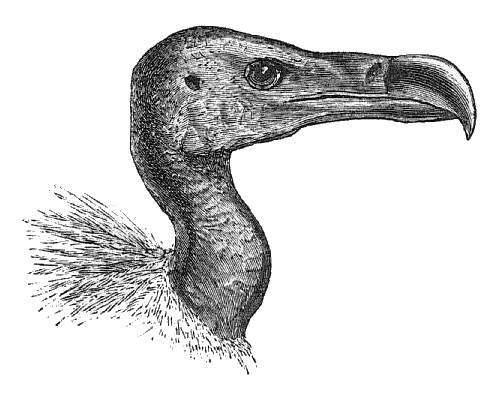
Indian birds - Slender-billed vulture - Gyps tenuirostris

Description

The slender-billed vulture is medium sized vulture, measuring 80 to 100 cm in length. The wingspan is 190 to 260 cm. It has a long neck. The head and neck are black and lack feathers. The neck skin is thickly creased and wrinkled. The bill is dark with pale culmen and black cere. The thin long bill and snake-like long neck are its distinguishing characters.

Habitat

The slender-billed vulture inhabits dry open country, partly wooded country and forested areas usually away from human habitation.

Feeding habits

These bird species are scavengers, feeding mostly from carcasses of dead animals. They also scavenge at rubbish dumps and slaughterhouses.

Breeding

The slender-billed vulture is recorded to nest in tall trees. The nest is built with sticks.

Distribution

These vulture species are distributed in India, Nepal, Bangladesh, Cambodia, Laos and Myanmar. They had also occurred in Malaysia and Thailand.

Movement Patterns

The slender-billed vulture is sedentary in its range and make movements in search of feed.

Status and conservation

The slender-billed vulture global population is now estimated to be 1,000 individual birds. There is a sharp decline in the population of these bird species and they are considered 'critically endangered'. Kidney failure in vultures caused by feeding on carcasses of animals treated with diclofenac (a nonsteroidal anti-inflammatory drug) was the major cause of sudden decline in populations. There is 97% decline in population. These species are nearing extinction.

The IUCN (International Union for Conservation of Nature) has categorized and evaluated these vulture species and has listed them as "Critically Endangered".

Biological classification of Gyps tenuirostris
Kingdom:Animalia
Phylum:Chordata
Class:Aves
Order:Accipitriformes
Family:Accipitridae
Subfamily:-
Genus:Gyps
Species:G. tenuirostris
Binomial name:Gyps tenuirostris
Distribution:Lower Himalayas in India, Nepal, Myanmar, Laos and Cambodia;
Feeding habits:mainly carrion;
IUCN status listing:
Critically Endangered

Popular posts in Birds of India

Image source: https://en.wikipedia.org/wiki/File:Gyps_tenuirostris.png
Image Author: W. T. Blanford | Image License: Public domain
Current topic in Birds of India: Slender-billed vulture - Gyps tenuirostris.
Contact State Tourism or travel agents for bird watching and wildlife tours.

Indian vulture

   ›      ›   Indian vulture - Gyps indicus.

The Indian vulture (Gyps indicus) belongs to the family Accipitridae. These Indian vulture species are distributed in India, Pakistan and Nepal.

Taxonomy of Indian vulture

  • Scientific Name: Gyps indicus
  • Common Name: Indian vulture
  • French: Vautour indien; German: Indiengeier; Spanish: Buitre indio;
  • Other names: Vultur indicus Scopoli, 1786; Long-billed vulture; Gyps indicus indicus;
  • Family: Accipitridae › Accipitriformes › Aves › Chordata › Animalia
  • Species author: (Scopoli, 1786)
Gyps indicus was earlier classified under genus vultur.

Description

The Indian vulture is a large bird, measuring 80 to 90 cm in length and weighing 5,500 to 6,300 grams. The wingspan is 190 to 260 cm.

These birds have a bald head, very broad wings and short tail feathers. The bill and cere are pale yellow. The neck is blackish with large white neck-ruff. The back and upper wing coverts are buff colored. These birds make cackling, grunting and hissing sounds.

Indian birds - Indian vulture - Gyps indicus

Advertisement

Habitat

These bird species inhabit open savanna and also open country near villages, towns and cities.

Feeding habits

These bird species are scavengers, feeding mostly from carcasses of dead animals. By soaring high, these birds spot the dead animals.

Breeding

These bird species nest mainly on cliffs. In rare cases they have been observed to nest on tall trees. Both the parents take part in rearing the chick.

Distribution

These bird species are distributed in India and Pakistan. It was also recorded in Nepal.

Movement Patterns

The Indian vultures are sedentary. They move in flocks in search of food.

Status and conservation

The global population is now estimated to be 45,000 individual birds.

There is a sharp decline in the population of these bird species and they are considered 'critically endangered'. Kidney failure in vultures caused by feeding on carcasses of animals treated with diclofenac (a nonsteroidal anti-inflammatory drug) was the major cause of sudden decline in populations. Nearly 97% of the population was lost in 1990s. Present threats to the their conservations and survival are degradation of the habitats, human disturbances of breeding pairs and inadequate food availability.

The IUCN (International Union for Conservation of Nature) has categorized and evaluated these bird species and has listed them as "Critically Endangered".

Biological classification of Gyps indicus
Kingdom:Animalia
Phylum:Chordata
Class:Aves
Order:Accipitriformes
Family:Accipitridae
Subfamily:-
Genus:Gyps
Species:G. indicus
Binomial name:Gyps indicus
Distribution:Pakistan, India and Nepal;
Feeding habits:mainly carrion;
IUCN status listing:
Critically Endangered

Popular posts in Birds of India

Image source: http://commons.wikimedia.org/wiki/File:Indian_or_Long-billed_Vulture_in_flight.jpg
Image Author: T. R. Shankar Raman | Image License: CC BY-SA 3.0
Current topic in Birds of India: Indian vulture - Gyps indicus.
Contact State Tourism or travel agents for bird watching and wildlife tours.

White-rumped vulture

   ›      ›   White-rumped vulture - Gyps bengalensis.

The white-rumped vulture (Gyps bengalensis) belongs to the family Accipitridae. These white-rumped vulture species are distributed in Indian Subcontinent and southeast Asia.

Taxonomy of White-rumped vulture

  • Scientific Name: Gyps bengalensis
  • Common Name: White-rumped vulture
  • French: Vautour chaugoun; German: Bengalengeier; Spanish: Buitre dorsiblanco bengalí;
  • Other names: Indian White-backed Vulture; Vultur bengalensis J. F. Gmelin, 1788; Pseudogyps bengalensis;
  • Family: Accipitridae › Accipitriformes › Aves › Chordata › Animalia
  • Species author: (Gmelin, 1788)
Gyps bengalensis was earlier classified under genus vultur. It is closely related to G. africanus.

Indian birds - Image of White-rumped vulture - Gyps bengalensis

Description

The white-rumped vulture is a large dark bird, measuring 75 to 90 cm in length and weighing 3,500 to 6,000 grams. The wingspan is 205 to 220 cm. These birds lack feather on the head and neck. The head is greyish pink and the bill is short, heavy and silvery with dark ceres. The juveniles are dark brown. The adults have black plumage with whitish neck-ruff and underwing-coverts. The tail is black. These pale rumped vultures make squealing calls and emits grunts, croaks and hissing sounds.

Habitat

The white-rumped vultures inhabit open country near human habitations like towns and cities.

Feeding habits

The white-rumped vulture feed mainly on carrion. Sometimes they feed on small mammals, birds and reptiles.

Breeding

The white-rumped vultures breed during October to March. They usually breed in colonies in tall trees, often near human habitation. The nest is built with sticks and lined with leaves. Usually a single egg is laid. Both the parents take part in rearing the chick.

Distribution

These vulture species are distributed in Pakistan, India, Bangladesh, Nepal, Bhutan, Myanmar, Thailand, Laos, Cambodia and southern Vietnam. They were present in southern China, Malaysia, south-east Afghanistan and Iran and their current status in these countries is unknown.

Movement Patterns

The white-rumped vulture movement patterns are poorly known. They are considered to be sedentary. They have been recorded to forage over vast areas.

Status and conservation

The white-rumped vulture global population is now estimated to be 3,500 to 15,000 individual birds. There is a sharp decline in the population of these vulture species and they are considered 'critically endangered'. Kidney failure in vultures caused by feeding on carcasses of animals treated with diclofenac (a nonsteroidal anti-inflammatory drug) was the major cause of sudden decline in populations, especially in India. However the veterinarian diclofenac was taken off the market in the year 2006, in India, Nepal and Pakistan. Present threats to the vulture conservation and survival are degradation of the habitats, human disturbances of breeding pairs and inadequate food availability.

The IUCN (International Union for Conservation of Nature) has categorized and evaluated these vulture species and has listed them as "Critically Endangered".

Biological classification of Gyps bengalensis
Kingdom:Animalia
Phylum:Chordata
Class:Aves
Order:Accipitriformes
Family:Accipitridae
Subfamily:-
Genus:Gyps
Species:G. bengalensis
Binomial name:Gyps bengalensis
Distribution:Indian Subcontinent and Southeast Asia;
Feeding habits:mainly carrion; also feeds on small mammals, reptiles and birds;
IUCN status listing:
Critically Endangered

Popular posts in Birds of India

Image source: http://commons.wikimedia.org/wiki/File:Bengalgeier.JPG
Image Author: Necrophorus | Image License: CC BY-SA 3.0
Current topic in Birds of India: White-rumped vulture - Gyps bengalensis.
Contact State Tourism or travel agents for bird watching and wildlife tours.

Egyptian vulture

   ›      ›   Egyptian vulture - Neophron percnopterus.

The Egyptian vulture (Neophron percnopterus) belongs to the family Accipitridae. These Egyptian vulture species are distributed in southwestern Europe, Indian Subcontinent, central Asia and Africa.

Taxonomy of Egyptian vulture

  • Scientific Name: Neophron percnopterus
  • Common Name: Egyptian vulture
  • French: Percnoptère d’Égypte; German: Schmutzgeier; Spanish: Alimoche común;
  • Other names: Vultur Perenopterus Linnaeus, 1758; white scavenger vulture; pharaoh's chicken;
  • Family: Accipitridae › Accipitriformes › Aves › Chordata › Animalia
  • Species author: (Linnaeus, 1758)
Neophron percnopterus was earlier classified under genus vultur. The three recognized subspecies are: N. p. percnopterus (Linnaeus, 1758), N. p. majorensis Donázar et al., 2002 and N. p. ginginianus (Latham, 1790).

Indian birds - Image of Egyptian vulture - Neophron percnopterus
Indian birds - Image of Egyptian vulture - Neophron percnopterus - (Carlos Delgado; CC-BY-SA 3.0)

Description

The Egyptian vulture is a large bird, measuring 55 to 70 cm in length and weighing 1,600 to 2,400 grams. The wingspan is 140 to 175 cm. The adult vultures have white plumage with black flight feathers. The plumage may appear rusty brown due to soiling with red soil. The bill is slender and long with hooked mandible and black tip. The facial skin is orange yellow. The bill is black in subspecies N. p. percnopterus and yellow in subspecies N. p. ginginianus. Their call is a low whistle and they also make groaning and grunting sounds.

Habitat

The Egyptian vultures inhabit a variety of habitats ranging from semi-desert areas, scrub forests, foothills and sub-urban areas.

Feeding habits

The Egyptian vultures feed mainly on carrion. They also feed on small mammals, birds and reptiles. The Egyptian vultures have been observed to scavenge from garbage in urban areas and sometimes feed on faeces of mammals.

Breeding

The Egyptian vultures breed during spring. They build nests on ledges, caves on cliffs, rocky outcrops, large trees and buildings. The clutch usually has two eggs. Both the parents take part in incubating eggs and raising chicks.

Distribution

The Egyptian vulture subspecies N. p. percnopterus are distributed in southwestern Europe, Africa, northwest India, Middle East, Central Asia and Cape Verde Islands. The subspecies N. p. majorensis is distributed in Canary Islands. The subspecies N. p. ginginianus is distributed in India and Nepal.

Movement Patterns

The Egyptian vulture species in the northern region are migratory and move southwards for wintering. The populations in India and Africa are mostly sedentary.

Status and conservation

The Egyptian vulture global population is estimated to be 20,000 to 61,000 individual birds. There is a sharp decline in the population of these vulture species and they are considered 'endangered'. Kidney failure in vultures caused by feeding on carcasses of animals treated with diclofenac (a nonsteroidal anti-inflammatory drug) was the major cause of sudden decline in populations, especially in India. NSAIDs are reportedly toxic to raptors, storks, cranes and owls, suggesting that vultures of other genera could be susceptible to their effects. However the veterinarian diclofenac was taken off the market in the year 2006, in India, Nepal and Pakistan. Present threats to the Egyptian vulture conservations and survival are degradation of the habitats, human disturbances of breeding pairs, collisions with powerlines and wind turbines and inadequate food availability.

The IUCN (International Union for Conservation of Nature) has categorized and evaluated these vulture species and has listed them as "Endangered".

Biological classification of Neophron percnopterus
Kingdom:Animalia
Phylum:Chordata
Class:Aves
Order:Accipitriformes
Family:Accipitridae
Subfamily:-
Genus:Neophron
Species:N. percnopterus
Binomial name:Neophron percnopterus
Distribution:southwestern Europe, Africa, Indian Subcontinent, Middle East, Central Asia and Canary Islands;
Feeding habits:mainly carrion; also feeds on small mammals, reptiles and birds;
IUCN status listing:
Endangered

Popular posts in Birds of India

Image source: http://en.wikipedia.org/wiki/File:Neophron_percnopterus_-_01.jpg
Image Author: Carlos Delgado | Image License: CC BY-SA 3.0
Current topic in Birds of India: Egyptian vulture - Neophron percnopterus.
Contact State Tourism or travel agents for bird watching and wildlife tours.